
The QR Code Doesn’t Have to Be on a Flyer: 7 Offline Surfaces That Can Generate Digital Leads
Key Summary
When people think about QR code marketing, a flyer is usually one of the first things that comes to mind. A business prints a promotion, adds a QR code, and asks customers to scan it. That works, but flyers are only one of many physical surfaces available to businesses. Singapore SMEs already interact with customers through packaging, shopping bags, vouchers, restaurant tables, events, samples, and branded gifts. Each of these moments can become an opportunity for digital engagement. FDSG’s digital flyer platform is designed around this offline-to-online connection, including unique QR code tracking, digital flyer landing pages, coupons, and engagement features.
The opportunity is especially relevant in Asia-Pacific. The region accounted for 37.59% of global QR code market revenue in 2025, according to market research cited by QR Code Chimp and Mordor Intelligence. QR usage has therefore become part of a much wider digital behaviour across the region.
Introduction
Walk past any shopping mall or coffee shop in Singapore, and you will still see QR codes glued to the bottom corner of a flyer, sitting quietly next to a paragraph of text nobody reads. For years, this has been the default. A QR code goes on the flyer because that is where marketing materials have always gone.
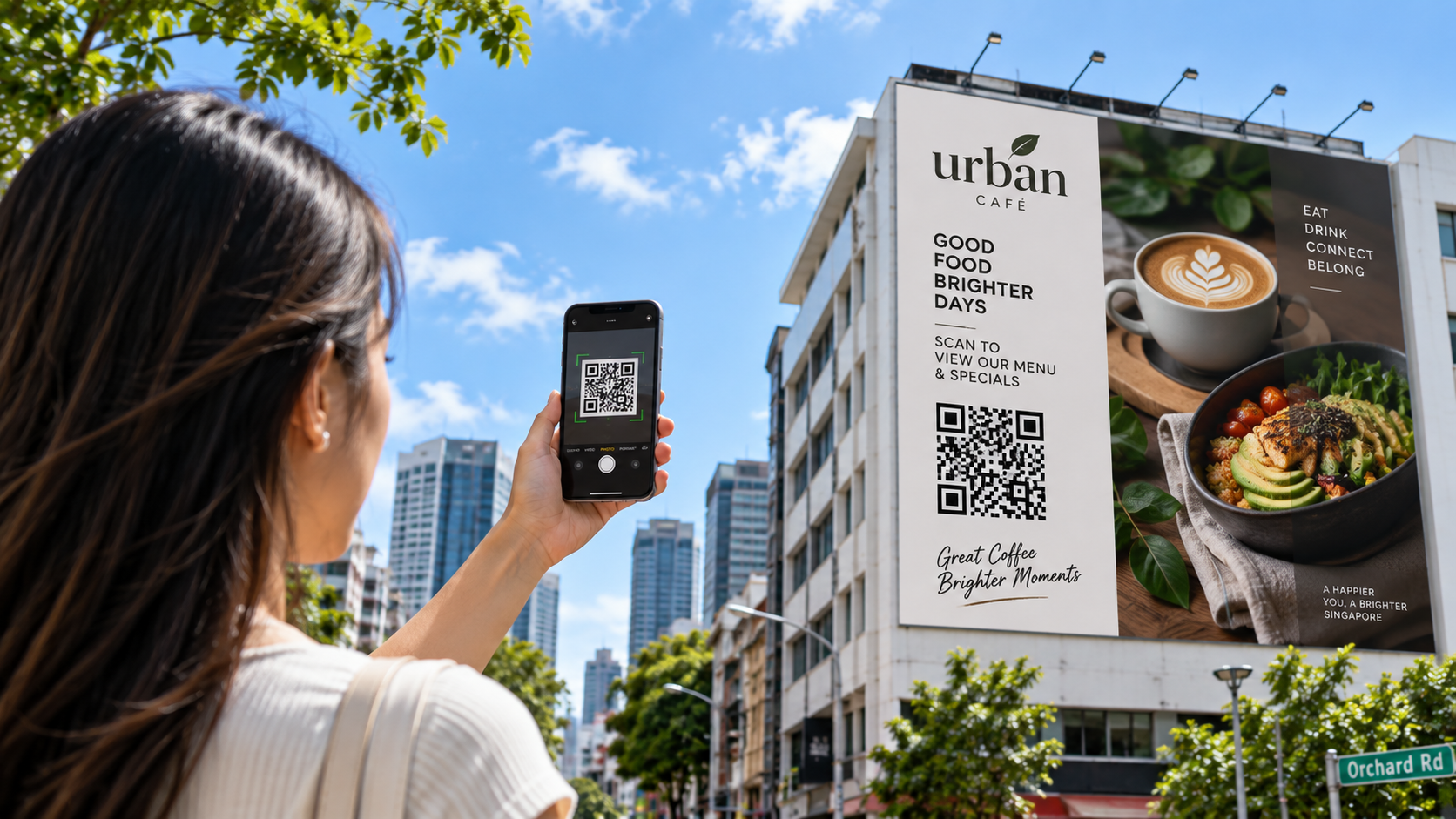
The problem is that flyers are a passive surface. A person glances at it for a second or two before deciding whether to keep reading or toss it aside, and a QR code competing for attention in that split second rarely gets scanned. Passive print placements like posters and flyers typically see scan rates of only 1% – 5%, according to QR code scan rate benchmarks compiled by Link Breakers. That is a low ceiling for a tool that is supposed to connect your offline marketing to real digital leads.
For an SME, the better question is simple: Where is my customer already looking, waiting, holding, carrying, or receiving something from my business? That is where a QR code can become useful. Instead of adding another advertisement into someone’s day, businesses can use an existing physical touchpoint to give customers a reason to continue the interaction online.
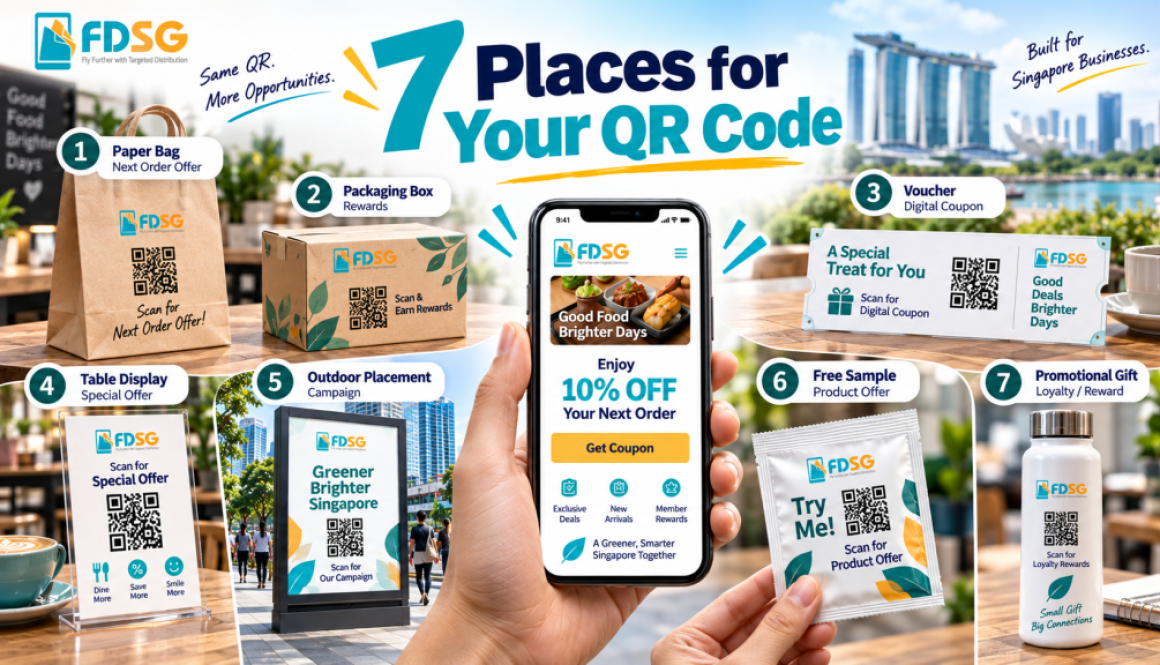
Where to Put QR Codes: 7 Offline Surfaces for Singapore SMEs
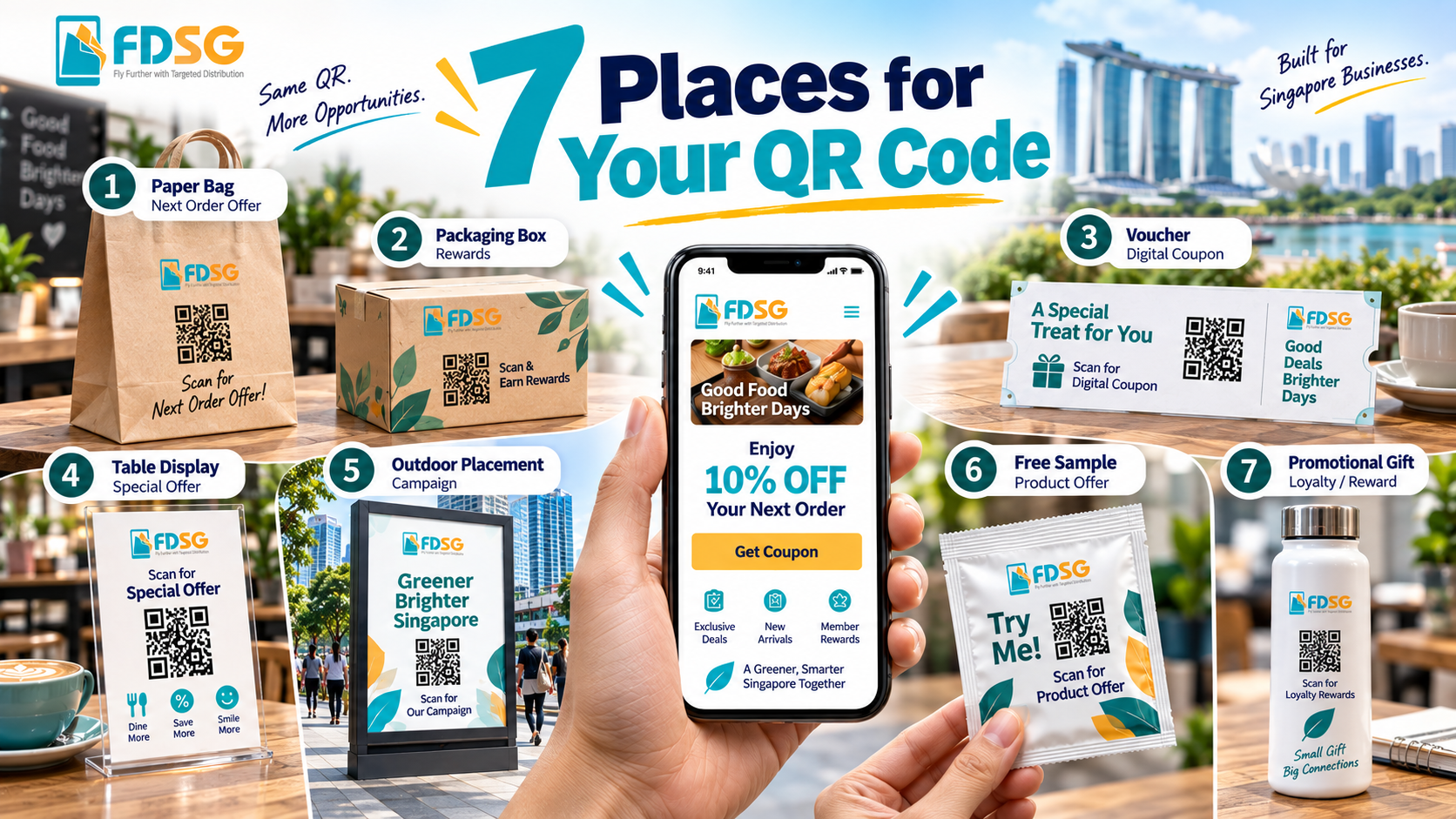
1. Paper Bags
A paper bag leaves your store with the customer, which means your marketing message can continue travelling after the purchase. A QR code can turn the bag into a gateway to your online store, a future promotion, a loyalty campaign, or an exclusive voucher. This gives the physical bag another role after the customer has left your premises.
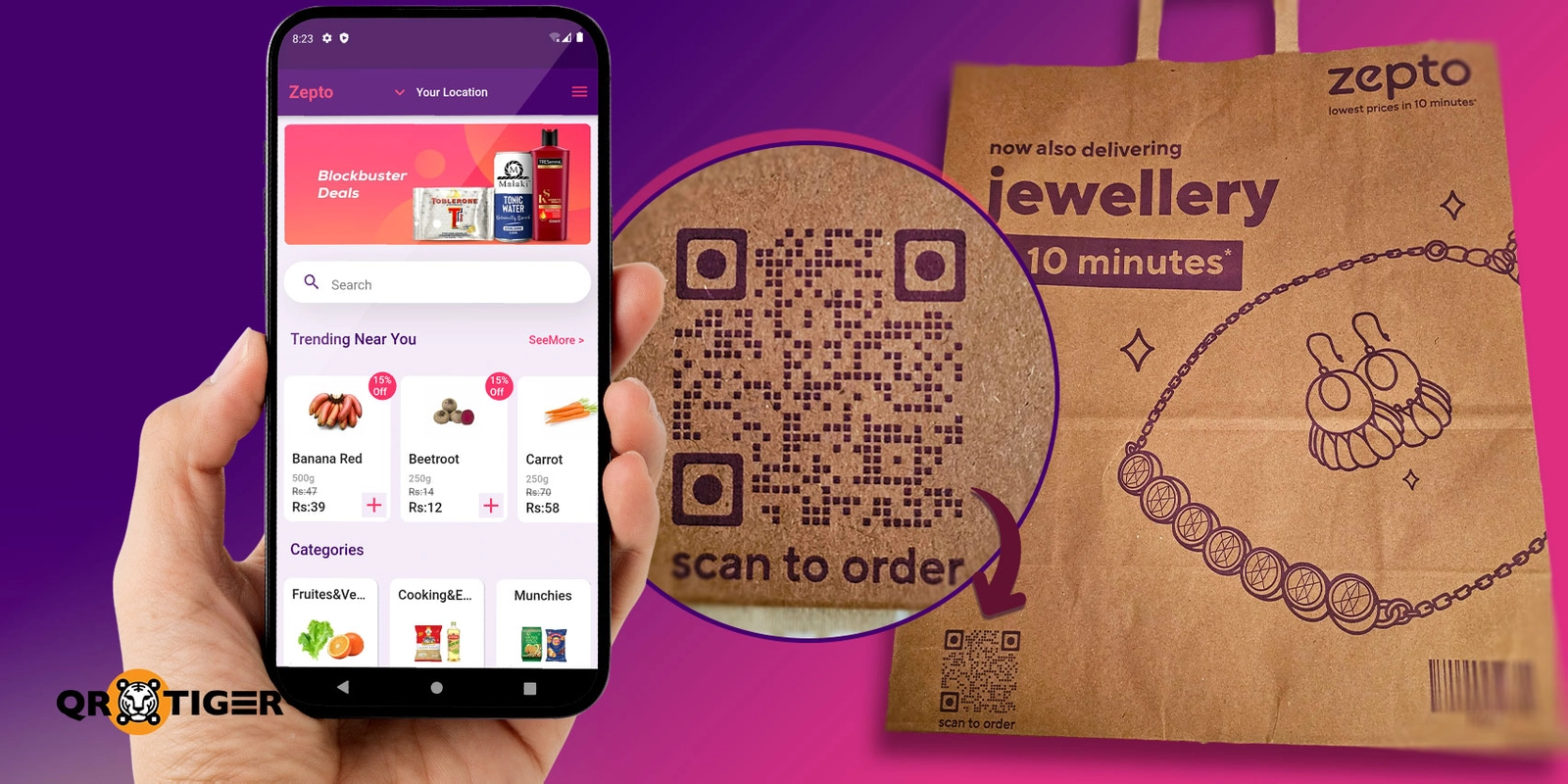
A useful example comes from Zepto, an Indian quick-commerce company. Its paper shopping bags included QR codes that connected offline customers with its online store. The approach effectively gave the bag three functions: carrying the purchase, promoting the brand, and directing customers towards digital shopping.
For a Singapore café, bakery, or retail shop, the message could be as simple as “Scan for $5 Off Your Next Order.” The customer already has the bag in hand, so the next interaction requires very little effort
2. Packaging Boxes
Product packaging can be a strong place to introduce a QR code because the customer already has the product in front of them. The QR code can lead to product information, recipes, rewards, competitions, usage instructions, or another purchase opportunity. Current QR research reports 46% adoption for product packaging, while 92% of CPG brands use QR codes on packaging. Wave Connect
A strong example is Capri Sun, where Kraft Heinz placed a QR code on packaging for a sweepstakes campaign, generating more than 579,000 landing page views and over 28,000 entries. Coca-Cola also used QR codes on packaging as part of its Coke Studio 2023 campaign, giving customers the opportunity to participate in a promotion and win concert tickets.

For Singapore SMEs, the same idea can be adapted to food boxes, beverage bottles, takeaway packaging, or product packages. A QR code could lead customers to a lucky draw, digital coupon, loyalty reward, product information, or special promotion, turning packaging into another opportunity to keep customers engaged after they receive or purchase the product.
3. Vouchers
A physical voucher already has a clear purpose: encouraging a customer to take action. Adding a QR code can make the next step easier by moving the customer from paper to a mobile experience.
Digital coupon formats can reduce the friction involved in carrying and redeeming physical vouchers. One source reports digital coupon redemption at 7% or higher, compared with approximately 0.20% to 0.25% for traditional paper FSI coupons. Another source reports that mobile vouchers are redeemed 10 times more often than paper vouchers. These figures come from different sources and markets, so SMEs should treat them as directional benchmarks rather than guarantees for a Singapore campaign.
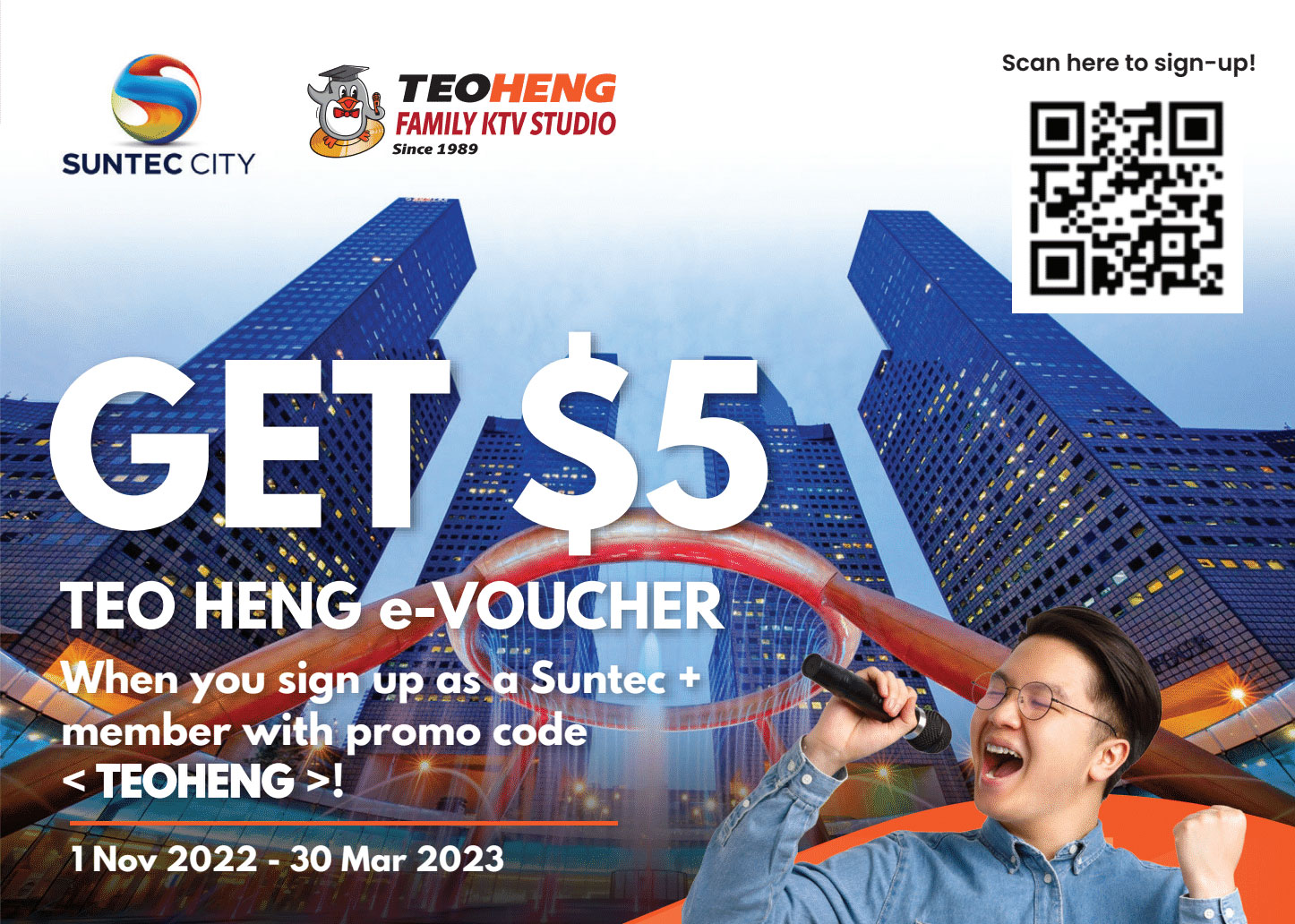
A Singapore retailer could print “Scan to Unlock Your Next Reward” on a voucher. The QR code could then lead to a digital offer, FDSG landing page, or coupon campaign. The goal is to give the customer a clear reason to continue engaging.
4. Table Displays
Restaurants, cafés and other F&B businesses have a valuable physical touchpoint right in front of customers: the table. A small table tent or display can promote a special offer while customers are waiting for their food or drinks.
A café case study in Krakow recorded 847 menu scans in one month across 12 tables, with 68% of scans occurring between 12:00 and 14:00. This demonstrates how table-level QR activity can also reveal when customers are most likely to engage. Another restaurant example reported a 458% increase in Google reviews after introducing QR codes on table tents.
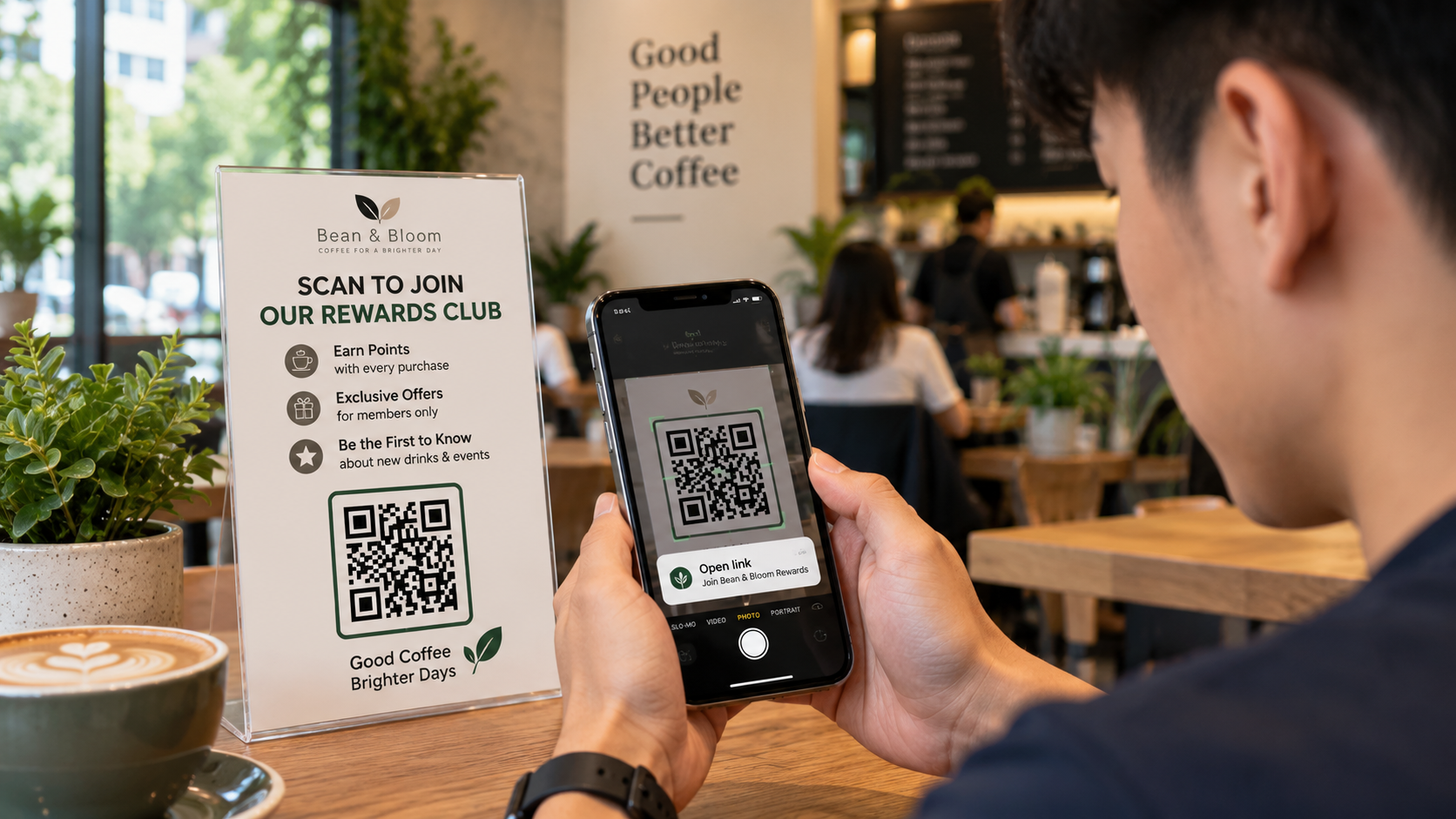
For Singapore F&B businesses, a table QR code could promote a limited-time dessert, loyalty reward, review campaign, lucky draw, or exclusive dining voucher. The important part is matching the QR destination to what customers can realistically do while sitting at the table.
5. Outdoor & High-Traffic Placements
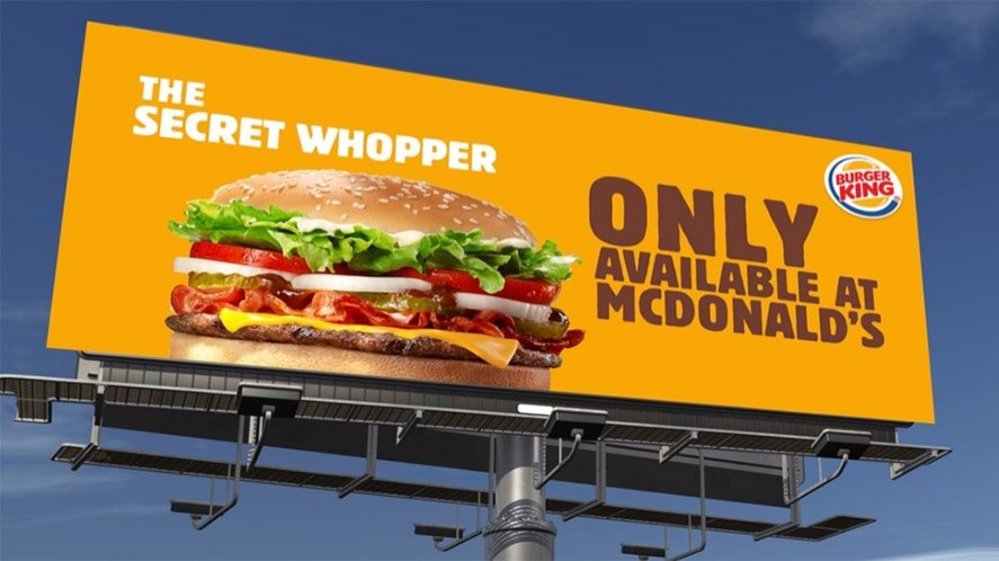
78% of consumers report having recently engaged with an out-of-home advertisement, while 68% notice these ads on their way to shop, according to research cited by QR Code Generator. The Burger King Whopper Detour campaign also demonstrated how location-based targeting can make outdoor advertising more relevant, using geofencing to reach customers within 600 feet of McDonald’s locations across the United States.
Heads Up Board™ by Flyer Distribution SG helps brands stand above the crowd and remain visible from a distance. For residential campaigns, letterbox distribution can provide focused exposure within selected neighbourhoods, while businesses targeting office workers may benefit from CBD distribution during peak commuting periods.
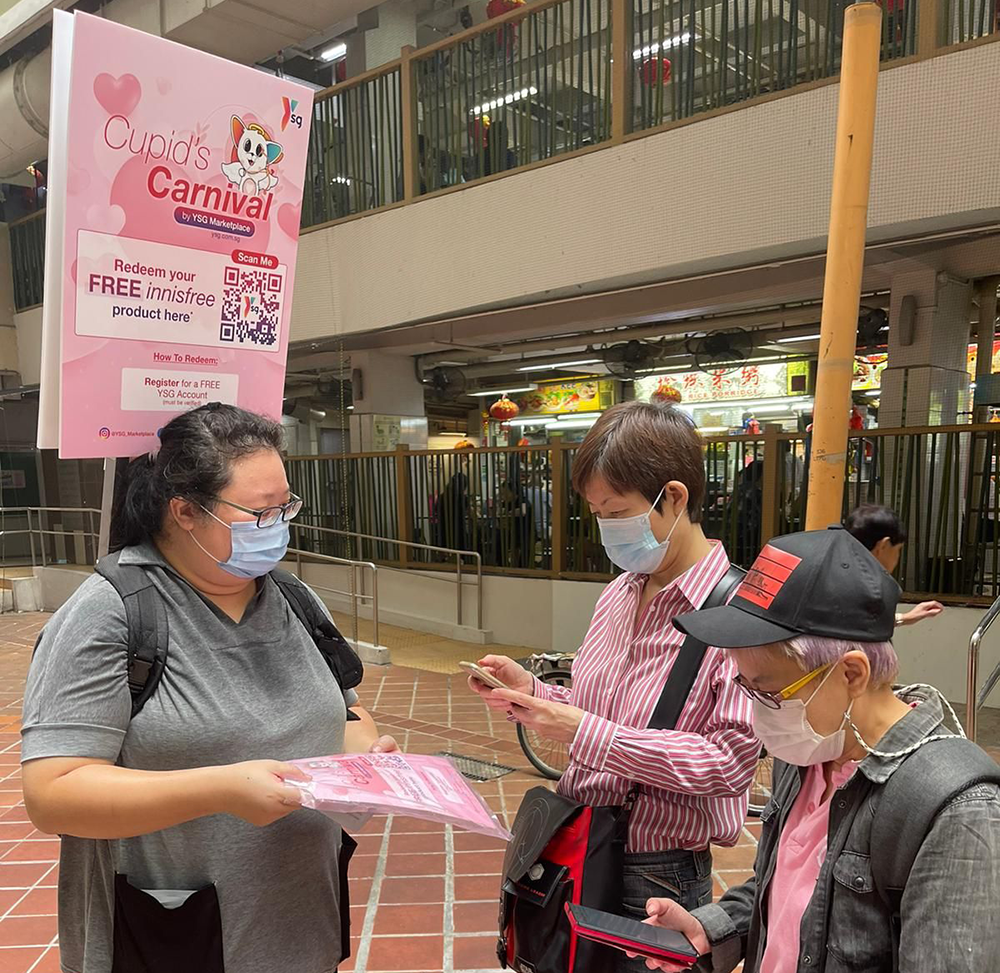
The combination of timing, location selection, and appropriate distribution methods helps businesses maximise every marketing dollar while improving campaign effectiveness. Adding a QR code gives customers a clear digital next step, whether that means checking an offer, registering for an event, downloading a coupon, or visiting a campaign landing page. This creates a stronger connection between physical visibility and measurable digital engagement.
6. Free Samples
Free samples create a physical product experience. A QR code can extend that experience into digital content, such as a product guide, discount, competition, or follow-up offer.
One creative example came from a Dr. Rick outdoor campaign. A billboard distributed physical copies of a book, and when the physical stock ran out, the campaign switched to a QR code offering a free digital download. This allowed the campaign to continue providing value even after the physical samples were gone.
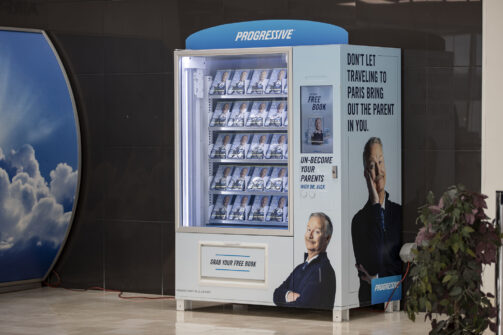
Singapore businesses can apply the same thinking to product sampling. A beauty brand could provide a sample with “Scan for Your Recommended Product”. A food brand could offer a QR-enabled discount for the full-size product. The QR code becomes the bridge between trying something and taking the next step.
7. Promotional Gifts
Promotional bags can generate an average of 3,300 impressions over their lifetime, at less than one tenth of a cent per impression, according to the Advertising Specialty Institute. PPAI research also found that 73% of consumers regularly use at least one promotional bag, giving brands repeated exposure. Adding a QR code can turn these impressions into measurable digital interactions.
A good example is the Goodbag x Greentech Festival campaign, where reusable bags given to attendees featured QR codes linking to a dedicated microsite with festival and partnership information. Around 400 to 600 bags were distributed during the Green Awards, extending the campaign from a physical giveaway into a digital experience.
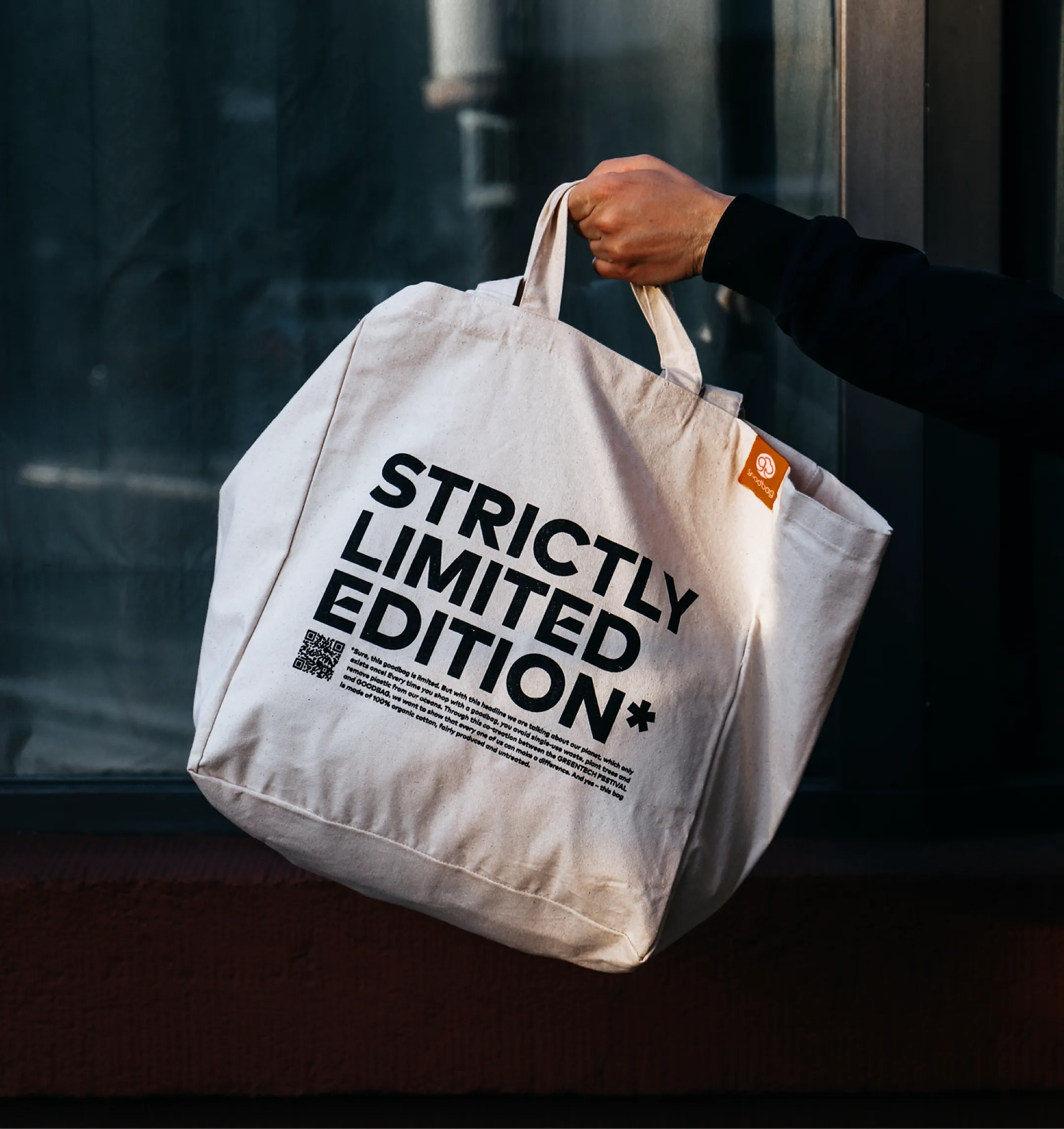
For Singapore SMEs, QR codes can be added to tote bags, notebooks, tumblers, water bottles, and other corporate gifts. The QR code could lead to a coupon, special offer, loyalty programme, product information, or social media campaign, giving promotional gifts a measurable digital purpose.
How FDSG Can Turn Physical Touchpoints into Digital Campaigns
Knowing where to place a QR code is only half the equation. The bigger question most Singapore SMEs never get a clear answer to is what happens after someone scans it, and whether that scan can actually be tracked back to a real result. This is exactly where FDSG comes in. As an O2O, offline-to-online, marketing platform, FDSG builds unique QR code tracking directly into every campaign, so a business knows not just how many people scanned, but where, when, and what they did next.
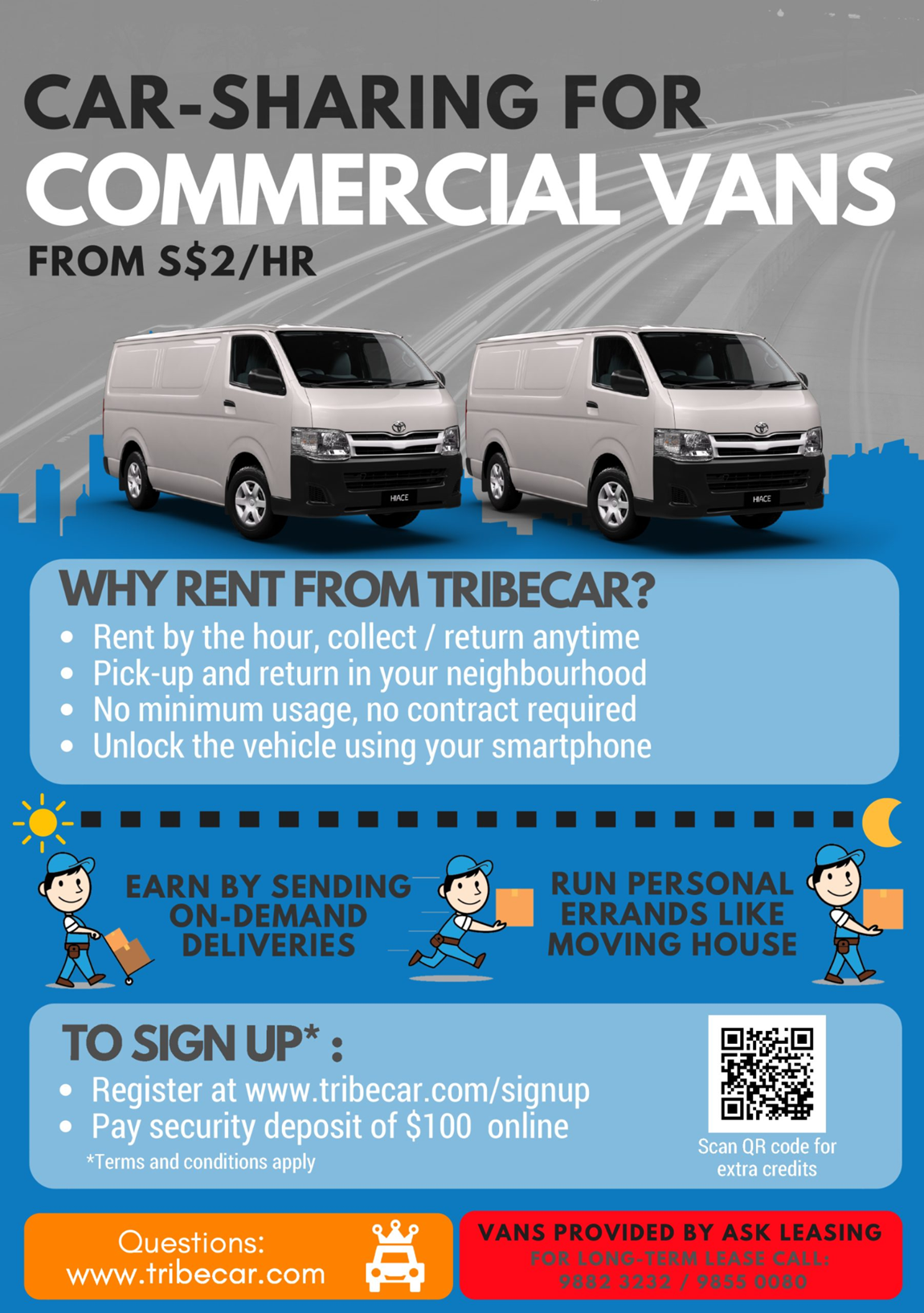
We have already proven this works beyond the flyer. For TRIBECAR, FDSG generated QR codes distributed across commercial car parks in multiple locations, well outside the usual flyer format. Despite running the campaign without any Facebook ad spend, the QR codes drove 1,220 views on the FDSG landing page and 685 deal downloads from 10,000 printed copies. That result shows exactly what this blog has been arguing: the right surface, paired with proper tracking, can outperform a flyer sitting in someone’s hand for two seconds.
FDSG’s difference from a generic QR code generator sits in what happens after the scan. We connect the physical surface, whether that is a car park, a table tent, or a packaging box, with a trackable landing page, social integration, and a dashboard that shows real engagement data. A generic QR tool stops at generating the code itself, leaving packaging, printing, and distribution for a business to sort out separately. A regular printer can produce the paper bags or boxes, yet has no visibility into who scanned, when, or what happened after. FDSG was built to close that exact gap for Singapore businesses.
Closing: Look Beyond the Flyer
Your next QR code could be on a paper bag, product box, voucher, restaurant table, event display, free sample, or promotional gift. The best placement depends on where your customers naturally interact with your business and what you want them to do next.
Before adding a QR code, ask three questions: Where will the customer see it? Why would they scan it? What useful action will they receive after scanning? These questions help turn QR placement from decoration into a practical customer journey.
Where would you put a QR code for your business: paper bag, packaging box, voucher, table display, outdoor & high-traffic placements, free sample, or promotional gift? Comment “QR PLACEMENT” and tell us your business type and which surface you would choose. We would love to hear your idea and share how FDSG could turn that physical touchpoint into a digital campaign.
Q&A: Using QR Codes Beyond Flyers
Can I put a QR code on a paper bag?
Yes. Paper bags can direct customers to online stores, promotions, coupons, loyalty campaigns or other digital content. Zepto is one example of a brand using QR codes on paper bags to connect physical customers with online shopping.
What is the best place to put a QR code?
There is no single best surface for every business. Choose a location where customers have attention, access to their phones, and a reason to engage. Packaging can work well after purchase, while table displays can work during waiting periods and event materials can work when audiences are actively looking for information.
What should a customer see after scanning?
Give them a specific reason to scan. This could be a discount, coupon, product information, event schedule, lucky draw, free guide, registration form, or exclusive promotion. FDSG provides digital flyer landing pages and campaign features that can support these experiences.
Do QR codes only work for printed flyers?
No. QR codes can be integrated into many physical customer touchpoints. Paper bags, packaging, vouchers, tables, event materials, samples, and promotional merchandise can all become entry points to digital campaigns.
Why should SMEs connect QR codes to a landing page?
A dedicated landing page gives the customer a focused destination after scanning. It can explain the offer, provide the next action and keep campaign information together. FDSG provides its own digital flyer landing pages, allowing SMEs to connect QR campaigns with a dedicated digital experience.
Which offline surface generates the most digital leads?
Packaging boxes and vouchers currently show the strongest, most measurable results. Packaging can see scan rates of 15 to 35%, while digital vouchers redeem at roughly 30 times the rate of traditional paper coupons.
Do I need a special app to track QR code scans?
No. With a dynamic QR code and a proper tracking platform like FDSG, you can see scan location, timing, and engagement directly through a dashboard, without requiring customers to download anything extra.